Stanley Kubrick did not just make films. He built worlds, then controlled every frame of them.
TASCHEN calls The Stanley Kubrick Archives the most comprehensive study of Kubrick to date, and the book is built to match the claim. It treats his films as what they are: superb visual experiences and big screen storytelling at its very best. The pages run on enlarged film stills, at a scale that lets a single composition breathe the way it did in the cinema.
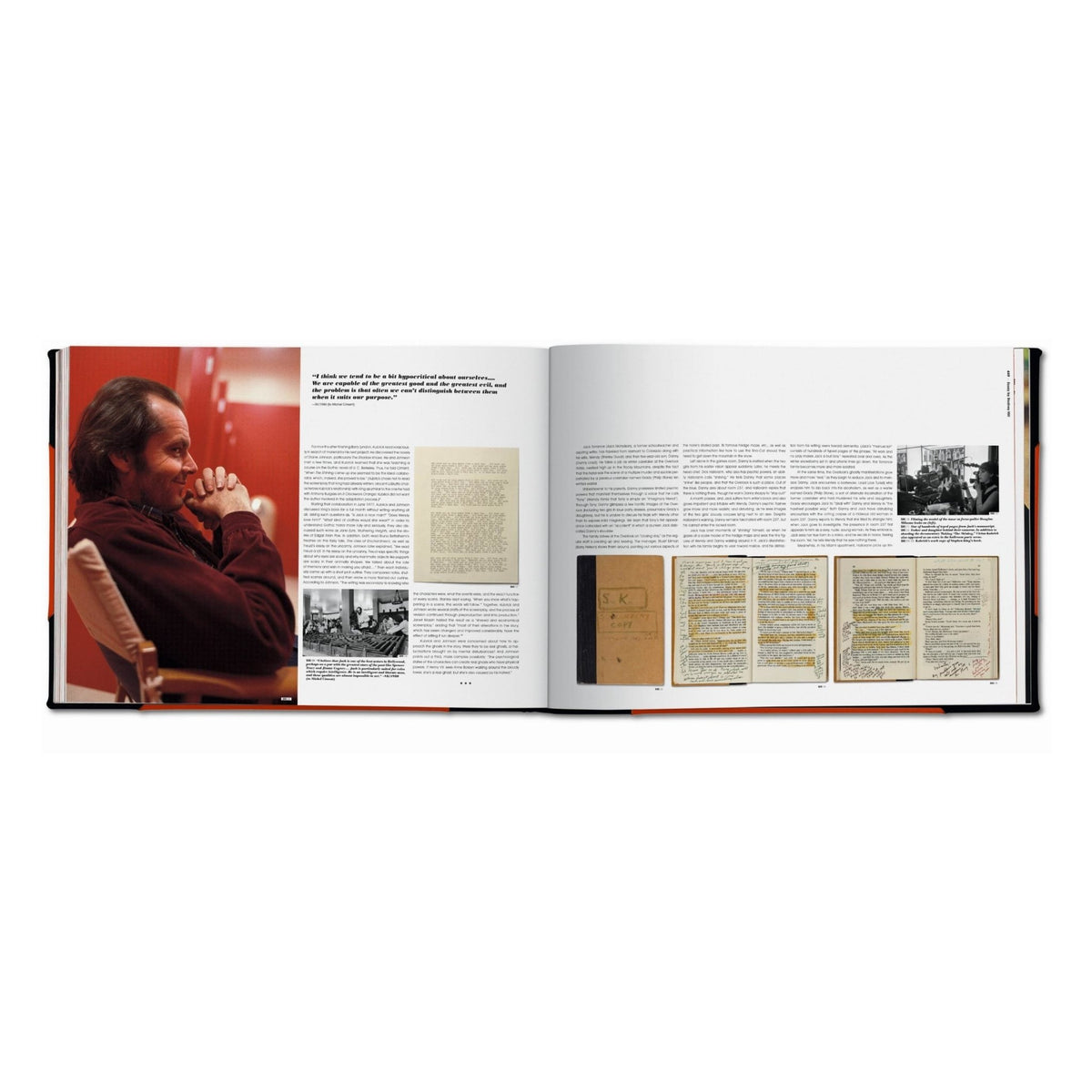
Then it opens the drawers. The book gathers previously unseen Kubrick material, including posters, set designs, props, screenplays, and shooting schedules. That is the real draw for anyone who makes images for a living. You get the finished frame, and you get the paperwork, planning, and preparation that got it there. In TASCHEN's words, it offers unprecedented access to the auteur at work.
Kubrick's reputation rests on range as much as precision. His career moved through war satire, science fiction, horror, and period drama, and he kept circling the same questions about control, violence, technology, and people caught inside systems bigger than themselves. Films like Dr. Strangelove and 2001: A Space Odyssey still shape how directors, cinematographers, and designers think about symmetry, color, and the power of a held shot.
In Signals, this is a working reference: the archive you pull down before a treatment, a pitch, or a shoot, when you need to remember what total commitment to an image looks like.
About Stanley Kubrick
Stanley Kubrick (1928–1999) was an American filmmaker and photographer, born on July 26, 1928, in Manhattan. His father taught him chess at 12, a lifelong obsession he later said built patience and discipline, and a Graflex camera at 13 led to a staff job at Look magazine. He made his first feature, Fear and Desire (1953), on money raised from family and friends, and later tried to keep it out of circulation.
The Stanley Kubrick films that followed span almost every genre: The Killing (1956), Paths of Glory (1957), Spartacus (1960), Lolita (1962), Dr. Strangelove (1964), 2001: A Space Odyssey (1968), A Clockwork Orange (1971), Barry Lyndon (1975), The Shining (1980), Full Metal Jacket (1987) and Eyes Wide Shut (1999). He settled in England in 1961 and from 1978 ran his productions from Childwickbury Manor in Hertfordshire, controlling writing, research, editing and promotion. He was known for exhaustive research and for asking for dozens of retakes. For Barry Lyndon he shot candlelit scenes with a high-speed Zeiss lens originally developed for NASA, and The Shining was one of the first films to use the Steadicam to its full potential.
Kubrick died at Childwickbury on March 7, 1999, days after screening Eyes Wide Shut for its stars and his family. Most of his films were nominated for Oscars, Golden Globes or BAFTAs, and many have since been reassessed as landmarks. For directors, cinematographers and designers, his archive is a master class in total control.
Why Stanley Kubrick still matters
Stanley Kubrick still matters because he set a standard for visual authorship that has not been lowered since. Every frame was a decision. His images are quoted constantly across film, advertising, music video, and design, often by people who have never seen the source. Going back to the stills, the sets, and the schedules is the clearest way to see how deliberate that authorship was.
Who this book is for
For filmmakers, directors, cinematographers, production designers, art directors, and film students. For the RIOT and vandal_ crowd who build images on deadlines and want to see how one of the greats planned his. And for anyone who has watched a Kubrick film twice and caught something new the second time.
Product details
-
Title: The Stanley Kubrick Archives
-
Subject: Stanley Kubrick
-
Publisher: TASCHEN
-
Language: English
-
Inside: Enlarged film stills and previously unseen Kubrick material, including posters, set designs, props, screenplays, and shooting schedules
-
Category: Film, print book
FAQ
What is The Stanley Kubrick Archives?
A richly illustrated TASCHEN study of Stanley Kubrick, described by the publisher as the most comprehensive study of the director to date.
What archive material is inside?
Previously unseen Kubrick material, including posters, set designs, props, screenplays, and shooting schedules, alongside enlarged film stills.
What language is this edition?
This edition is in English.