Two of the most famous artists in New York, one camera, and a friendship that the art world still argues about.
Warhol on Basquiat tells the story of Andy Warhol and Jean-Michel Basquiat in Warhol's own words and pictures. Produced in collaboration with The Andy Warhol Foundation and Jean-Michel Basquiat's estate, the book explores the artists' complex personal and professional relationship from the inside.
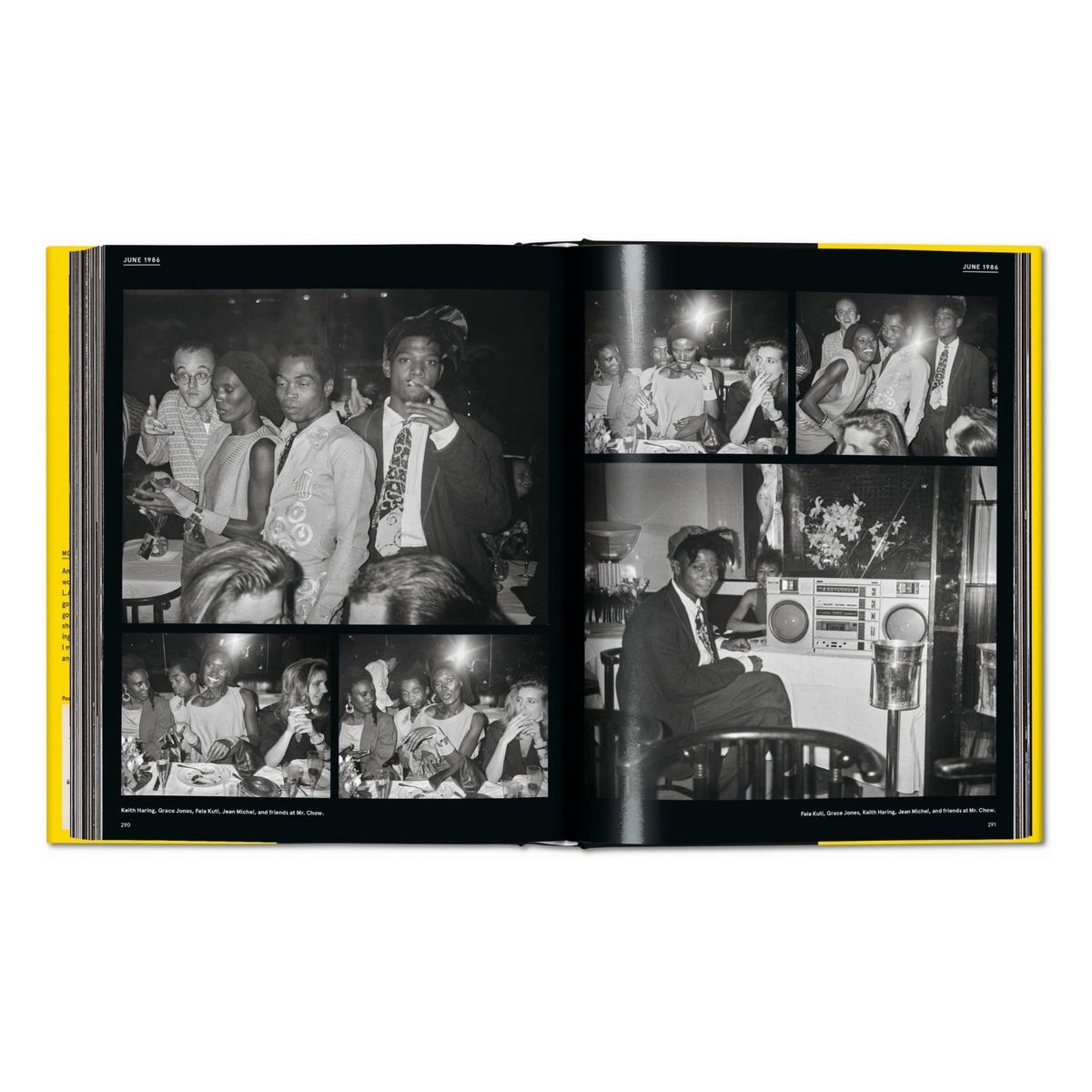
The core of it is the photography: hundreds of never-before-published photographs of Basquiat taken by Warhol. Warhol photographed constantly, and here that habit becomes a record of a friendship, on the street, in the studio, at dinner, and out at night. The pictures are paired with excerpts from the legendary Andy Warhol Diaries, so you get Warhol's running commentary next to his images, with all the gossip, affection, and anxiety that implies.
The book also brings in rarely seen archival material and examples of their collaborative artworks. The collaborations were the public face of the relationship: Warhol, the established Pop icon, and Basquiat, the young painter whose star was rising fast, working on the same canvases. Seen alongside the photographs and diary entries, those works read less like a stunt and more like a conversation between two people trying to figure each other out.
Underneath it all is 1980s New York, a city of galleries, restaurants, clubs, and press coverage, where fame was a material artists worked with as much as paint.
In Signals, this is the kind of book we love most: primary sources, real images, and a story told by someone who was in the room.
About Andy Warhol and Jean-Michel Basquiat
Andy Warhol (1928–1987), born Andrew Warhola Jr. in Pittsburgh, was the defining artist of American Pop Art, known for silkscreened soup cans, Marilyns and celebrity portraits. Jean-Michel Basquiat (1960–1988), born in Brooklyn to a Haitian father and a mother of Puerto Rican descent, came up through the SAMO graffiti tag in downtown Manhattan and became the breakout star of Neo-expressionism, with raw, text-heavy canvases about history, power and race.
Basquiat had once sold Warhol a postcard, but the two were properly introduced at a lunch arranged by dealer Bruno Bischofberger on October 4, 1982. Warhol took a Polaroid, and within two hours Basquiat sent back a still-wet double portrait, Dos Cabezas (1982). A close friendship followed; in 1983 Basquiat moved into a loft Warhol owned at 57 Great Jones Street. Between 1984 and 1985 they made more than 50 large collaborative works, including Olympics (1984), Taxi, 45th/Broadway (1984–85) and Zenith (1985), with Warhol silkscreening or painting headlines, symbols and corporate logos and Basquiat painting over and around them.
Their 1985 joint show, Paintings, at the Tony Shafrazi Gallery was panned by critics and caused a rift between them. Warhol died in February 1987 and Basquiat the following year, at 27. Together, Warhol and Basquiat remain the great case study in creative collaboration: two signatures on one surface, and Pop in conversation with the street.
Why Warhol on Basquiat still matters
Warhol on Basquiat still matters because the relationship between these two artists sits at the center of how we think about art, celebrity, and collaboration. Told through Warhol's own photographs and diaries, it becomes something more personal than legend: a document of two working artists, their friendship, and the city around them.
Who this book is for
For artists, photographers, designers, art directors, and filmmakers who care about how images get made and who makes them. For the RIOT and vandal_ crowd drawn to downtown New York history, and for anyone who already owns a Warhol or Basquiat book and wants the story between them.
Product details
-
Title: Warhol on Basquiat. The Iconic Relationship Told in Andy Warhol's Words and Pictures
-
Artists: Andy Warhol and Jean-Michel Basquiat
-
Publisher: TASCHEN
-
Produced with: The Andy Warhol Foundation and Jean-Michel Basquiat's estate
-
Languages: German, Spanish, French, English
-
Inside: Hundreds of never-before-published photographs of Basquiat by Warhol, excerpts from the Andy Warhol Diaries, rarely seen archival material, and examples of their collaborative artworks
-
Category: Art, print book
FAQ
What is Warhol on Basquiat about?
It explores the complex personal and professional relationship between Andy Warhol and Jean-Michel Basquiat, told through Warhol's own photographs and diary excerpts.
Are the photographs new?
The book features hundreds of never-before-published photographs of Basquiat taken by Warhol.
What languages is the text in?
This edition is multilingual: German, Spanish, French, and English.